How Expats Should Start Training Safely in Bali’s Climate
Moving to Bali often inspires people to reset their health habits. With beach access, active communities, and a slower lifestyle, many expats feel motivated to start training again. But one of the biggest mistakes newcomers make is treating training in Bali the same way they trained back home.
Heat, humidity, lifestyle changes, and new routines all influence how your body responds to exercise — especially in quieter areas like Cemagi and Seseh.

Why Training in Bali Feels Different
Bali’s climate places extra stress on the body, even when workouts feel moderate. Higher temperatures and humidity increase heart rate, fluid loss, and recovery demands. Many expats arrive highly motivated and immediately increase training frequency. While the intention is good, the body usually needs a period of adaptation first, which is why working with a personal trainer in Bali can be essential to help you navigate these environmental changes safely.
Key differences you may notice:
- Faster fatigue during workouts
- Higher sweat rates and electrolyte loss
- Slower recovery between sessions
- Greater importance of sleep and hydration
Common Mistakes Expats Make When Starting Training
From working with expats across the Cemagi and Seseh area, a few patterns appear repeatedly based on trainer insights.
-
Doing too much, too soon
New environments create excitement, but sudden increases in training volume often lead to soreness or injury. -
Ignoring hydration and recovery
Sweating more without adjusting fluid intake can reduce performance. -
Chasing intensity instead of consistency
Long-term progress comes from sustainable habits.
Training Styles That Support Longevity
For expats focused on long-term health rather than short bursts of intensity, balanced training tends to work best.
A sustainable approach usually includes:
- Strength training to maintain muscle mass
- Functional movement to improve posture and mobility
- Low-intensity cardio such as walking or cycling
- Recovery-focused mobility work

How Nutrition Supports Training in Seseh & Cemagi
Training outcomes aren’t determined by workouts alone. Local food choices and daily habits play a major role in recovery and performance.
Many expats find success by focusing on simple principles:
- Prioritising protein earlier in the day
- Choosing balanced meals instead of only smoothie bowls
- Rotating between cafés and local warungs
- Keeping nutrition consistent rather than perfect

A Simple Beginner Training Structure for Bali
If you’ve recently moved to Bali or restarted your fitness routine, consider beginning with a weekly structure that allows adaptation.
Example beginner structure:
- 2 strength sessions per week
- 1 functional or mobility-focused session
- 2–3 low-intensity cardio days
- At least 1 full rest day
Training in Cemagi & Seseh — A Slower, More Sustainable Pace
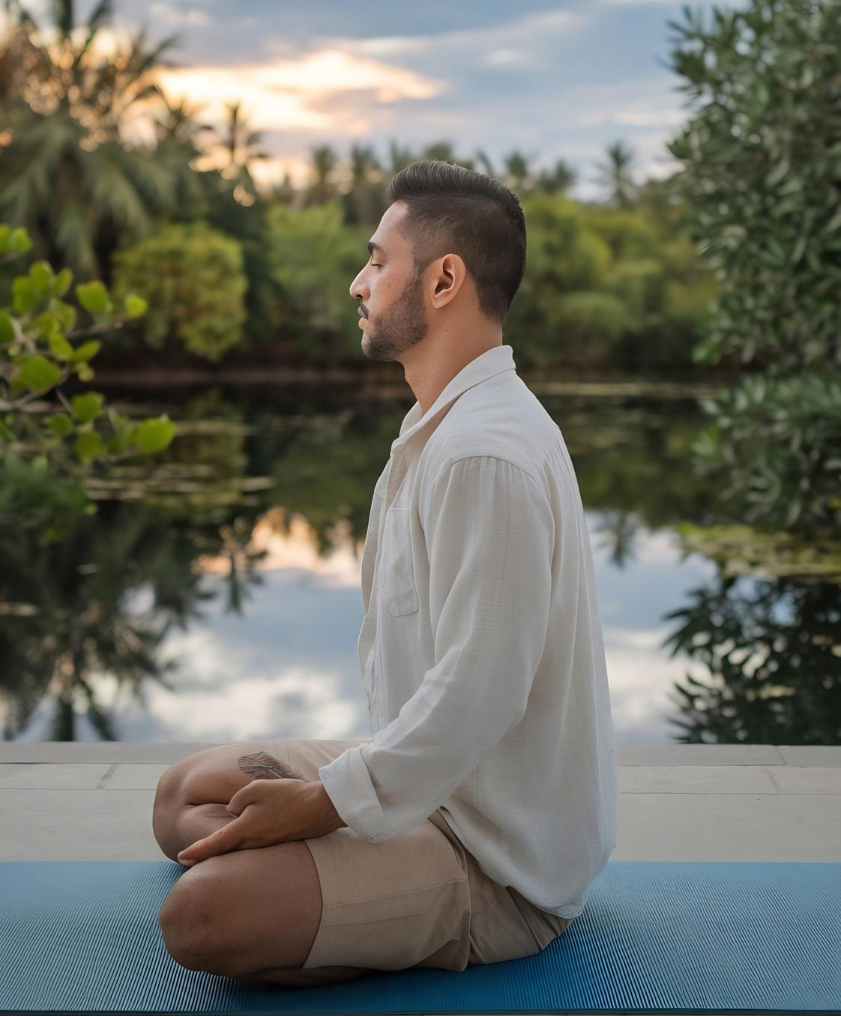
Compared to busy fitness hubs like central Canggu, Cemagi and Seseh offer a quieter training environment. Many expats choose these areas because they support a more balanced rhythm — combining work, recovery, and lifestyle.
Training in calmer surroundings often encourages:
- Longer consistency
- Less comparison culture
- Better recovery habits
- Greater focus on longevity
Frequently Asked Questions About Starting Training in Bali
Where should beginners start training in Bali?
Many expats begin with structured strength or functional programs that emphasise movement quality and gradual progression.
Is training harder in Bali’s climate?
Not necessarily harder — but adaptation takes time. Hydration, pacing, and recovery become more important
How many days per week should I train when I first arrive?
Most people benefit from starting with two to three sessions per week and increasing gradually.
Do I need a strict diet to train well?
Consistency matters more than perfection. Balanced meals that support recovery usually work best.
Final Thoughts
Starting a fitness routine in Bali can be one of the most rewarding lifestyle changes you make — especially when training supports longevity, mobility, and overall well-being.
Instead of rushing into intense programs, focus on building habits that match your environment, your schedule, and your long-term goals.