The Biggest Fitness Mistake People Make After 40
As people enter their forties, their priorities around health often begin to change.
Many individuals start exercising again after years of focusing on career, family, or other responsibilities. The intention is good — they want to stay healthy, lose some weight, and feel better.
However, there is one common mistake that many people make when they return to fitness after 40.
They focus almost entirely on cardio exercise, while neglecting strength training.
Running, cycling, or long sessions on cardio machines can certainly improve cardiovascular health. But when cardio becomes the only focus, an important part of long-term health is often ignored: muscle and strength.

Why This Matters More After 40
Starting around the age of 30, the body gradually begins to lose muscle mass.
This process accelerates as people move through their forties, fifties, and beyond.
Without resistance training, muscle loss can lead to:
- reduced strength
- slower metabolism
- decreased mobility
- increased risk of injury
Over time, this decline can affect everyday activities such as lifting objects, climbing stairs, or maintaining balance.
This is why many health experts now emphasize that strength training becomes increasingly important as we age.

The Problem With Too Much Cardio
Cardio exercise has clear benefits. It improves heart health, burns calories, and can boost mood and mental health.
However, when cardio is the only form of training, it does not adequately address several key aspects of healthy aging.
Long-term health requires maintaining:
- muscle mass
- bone density
- joint stability
- balance and coordination
These qualities are best developed through resistance training.
Without it, people may improve endurance but still experience gradual physical decline.
Strength Training Builds Long-Term Resilience
Strength training is one of the most effective ways to maintain physical capability as we age.
Resistance exercises stimulate the body to preserve and build muscle tissue, while also strengthening bones and connective tissues.
Examples of effective strength training exercises include:
- squats
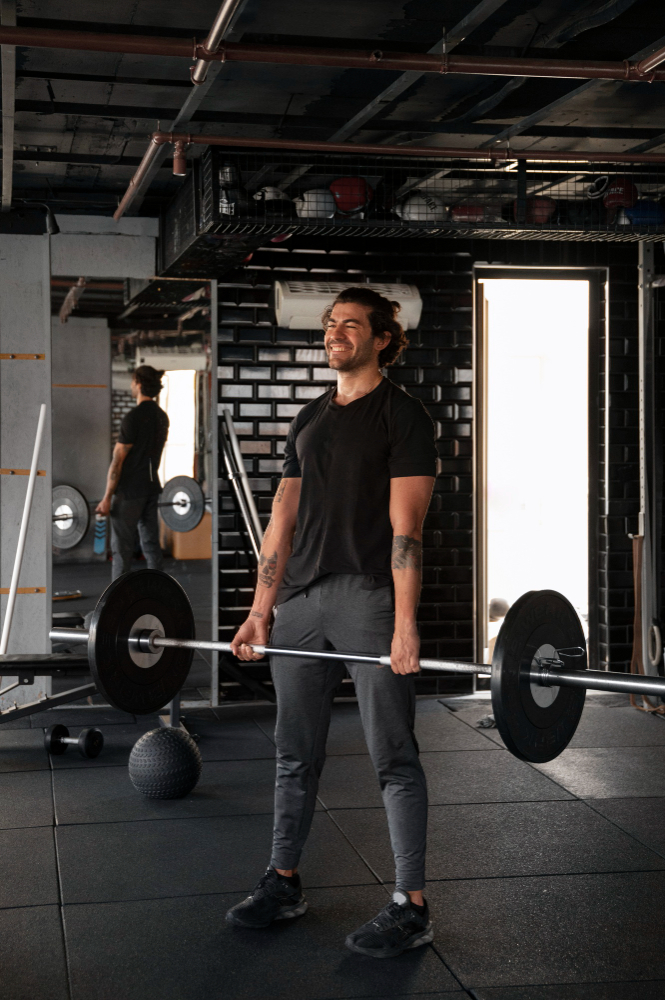
- deadlifts
- kettlebell training
- lunges
- resistance band exercises
These movements improve functional strength — the ability to perform real-world physical tasks.
Maintaining this type of strength helps people remain independent and active later in life.
The Best Approach: A Balanced Fitness Routine
he most effective fitness approach after 40 combines several types of training.
Strength training builds and preserves muscle.
Aerobic exercise improves cardiovascular fitness.
Mobility training helps maintain joint health and flexibility.
Together, these elements create a body that is capable, resilient, and prepared for the physical challenges of aging.
For many people, the goal is no longer simply to exercise harder — it is to exercise smarter.
Training for the Decades Ahead
One of the most powerful shifts in mindset is to think of exercise as preparation for the future.
The workouts you perform today influence how capable your body will be in 10, 20, or even 40 years.
Instead of training only for short-term goals like weight loss, a longevity approach focuses on building a body that can remain active and independent for life.
Strength, endurance, and mobility together create that foundation.
Avoiding the common mistake of relying on cardio alone is one of the most important steps toward achieving that goal.
Frequently Asked Questions
Should people stop doing cardio after 40?Should people stop doing cardio after 40?
No. Cardiovascular exercise remains extremely important for heart health and endurance. The key is to combine cardio with strength training rather than relying on cardio alone.
How often should people over 40 do strength training?
Most individuals benefit from performing strength training exercises two to three times per week, alongside aerobic exercise.
Is it safe to start strength training later in life?
Yes. When performed with proper technique and appropriate resistance levels, strength training is safe and highly beneficial for people of all ages.