Improving Your VO₂ Max to Live the Life You Want
One of the most important factors for long-term health and independence is your VO₂ max, a measurement of how efficiently your body can use oxygen during exercise.
In his book Outlive, Peter Attia highlights that cardiovascular fitness is one of the strongest predictors of longevity and overall health. People with higher VO₂ max levels tend to live longer, have lower risk of disease, and maintain independence later in life.
But improving VO₂ max is not just about athletic performance. It is about preparing your body to live the life you want in your later decades.
In many ways, the training you do today is really training for the life you want at age 70, 80, or even 90.
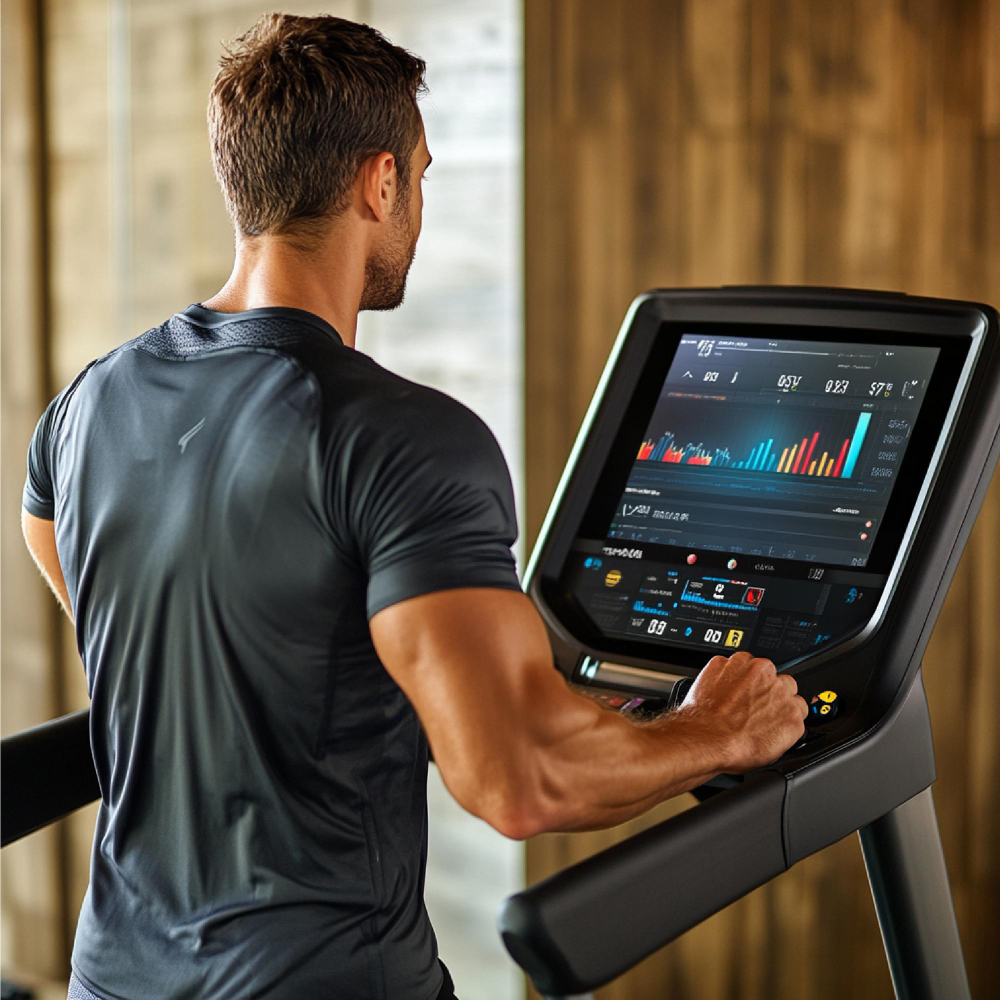
Why VO₂ Max Matters for Longevity
In Outlive, Peter Attia explains that one of the biggest predictors of healthy ageing is aerobic fitness.
The ability to walk long distances, climb stairs, carry groceries, or travel comfortably later in life depends heavily on maintaining cardiovascular capacity.
For example, if a person wants to remain active at age 90, they must maintain a certain level of aerobic fitness earlier in life.
For women, this might require a VO₂ max around 45–46 ml/kg/min earlier in adulthood in order to still maintain functional fitness decades later.
For men, the number may be even higher.
This illustrates an important concept:
You are not training for today.
You are training for the future version of yourself.
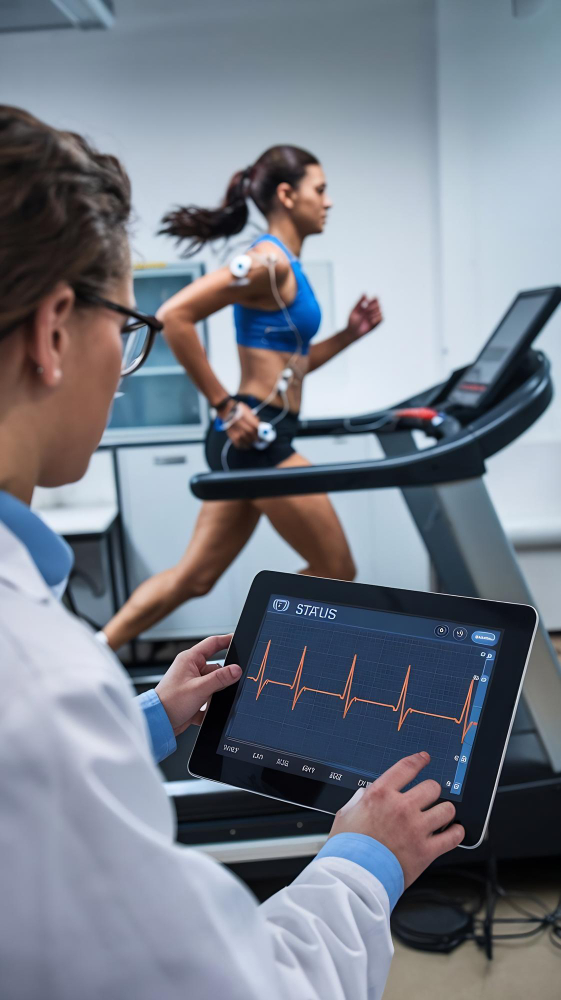
Training for the Life You Want at 70, 80, and 90
Many people focus on short-term fitness goals such as losing weight or building muscle.
However, longevity-focused training asks a different question:
What physical abilities will you want when you are older?
- walk comfortably for several kilometres
- travel easily
- hike mountains
- surf or swim
- carry groceries and luggage
- stay independent
All of these activities require a baseline level of cardiovascular fitness.
If we lose this capacity, everyday activities become difficult.
Maintaining VO₂ max through exercise helps protect against this decline.
How Exercise Improves VO₂ Max
The good news is that VO₂ max can be improved at almost any age with the right type of training.
Some of the most effective methods include:
-
Zone 2 aerobic training
Longer sessions of moderate intensity exercise that build endurance and improve mitochondrial health. -
High-intensity intervals
Short bursts of high effort followed by recovery periods. -
Functional strength training
Strength and mobility work that supports efficient movement.
Combining these training methods helps maintain both cardiovascular fitness and muscular strength.
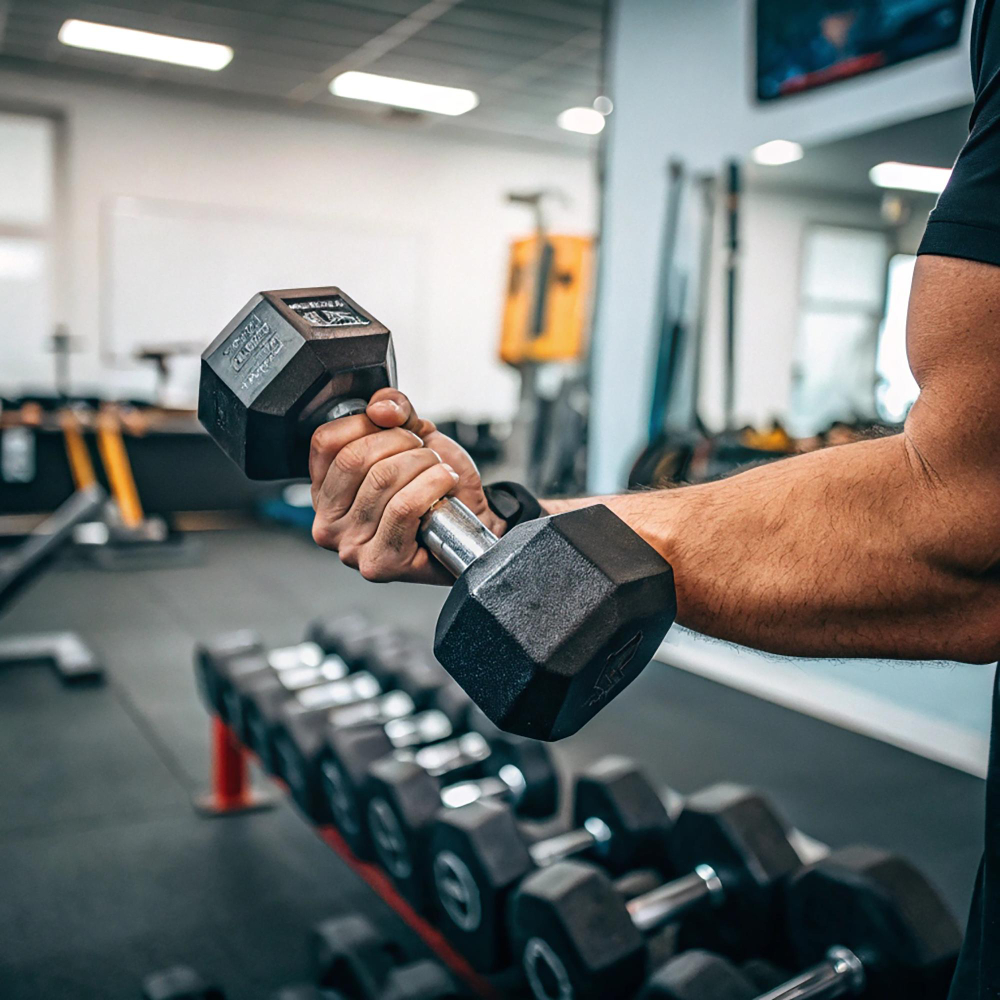
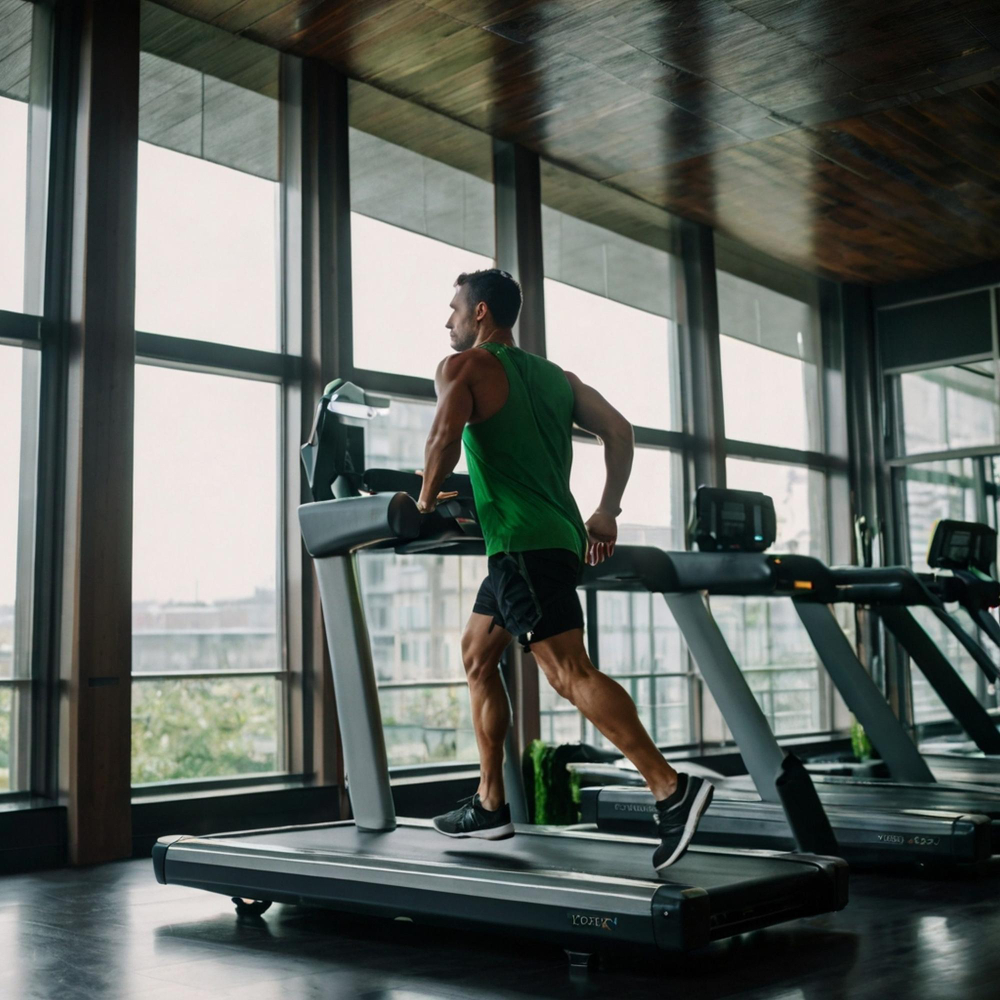
Combining Strength, Endurance, and Movement
A balanced approach to training is key.
Many people combine:
- strength training at the gym
- outdoor running or walking
- mobility and recovery work
In areas like Cemagi and Seseh, this combination is easy to maintain with access to gyms, beach walks, and outdoor activity.
This kind of balanced training supports both performance today and independence in the future.
Training Today for Your Future Self
One of the most powerful ideas in longevity science is that the choices you make today shape your future health.
- Exercise is not simply about appearance or short-term goals.
- It is about preserving the physical ability to live fully later in life.
- Every workout, every walk, and every training session contributes to building the capacity you will rely on in the future.
- It is an investment in the life you want to live at 50, 60, 70, 80, and beyond.
Combining these training methods helps maintain both cardiovascular fitness and muscular strength.
Need Help Choosing the Right Gym?
If you’re unsure where to start, working with a personal trainer can help match your gym choice to your goals, injury history, and lifestyle.