Functional Training in Bali
Strength •Mobility • Longevity • Functionam Movement in Bali
Move Better. Stay Strong. Train for Longevity in Bali.
Functional training focuses on building real-world strength — helping expats stay mobile, resilient, and ready for Bali’s active lifestyle. Whether you’re hiking, surfing, walking coastal roads, or simply wanting to reduce pain and improve energy, this approach blends kettlebells, mobility work, core stability, and low-impact conditioning into sustainable training.
Designed especially for expats over 35, functional training supports long-term health rather than short bursts of intensity — helping your body adapt to Bali’s climate, lifestyle, and daily movement demands.
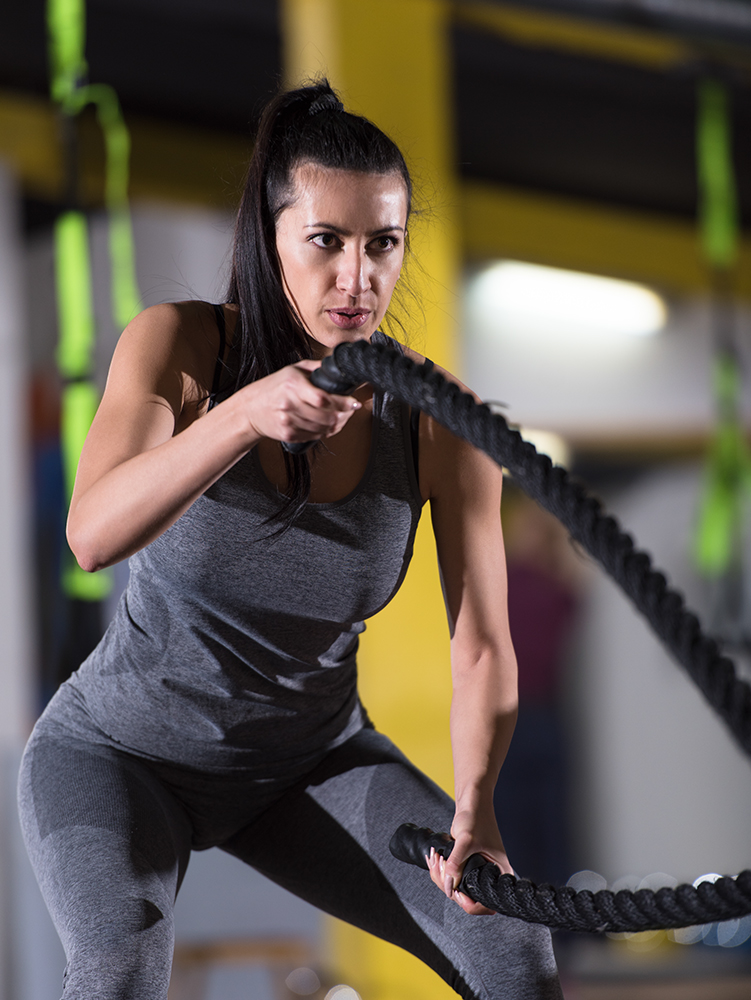
What Functional Training Actually Means
Functional training combines different training methods designed to improve how your body moves in everyday situations.
Key differences you may notice:
- Kettlebell training for dynamic strength
- Mobility work to maintain joint health
- Core stability exercises for posture and balance
- Low-impact HIIT circuits for cardiovascular conditioning
- Rehab-style movement patterns to reduce injury risk
Rather than isolating muscles, functional training focuses on coordination, control, and long-term movement quality.
Why Expats Choose Functional Training in Bali
Training in Bali feels different from training back home. The environment itself influences how the body responds to exercise.
Heat and humidity increase fatigue and recovery demands, while outdoor lifestyles — hiking, surfing, long walks, or exploring waterfalls — require a body that moves efficiently rather than simply lifting heavy weights.
Many expats find that functional training helps them:
- Build strength without overloading joints
- Stay mobile while adapting to new activities
- Improve endurance for daily movement
- Reduce the risk of common overuse injuries
This makes functional training especially popular among expats focused on long-term health rather than short-term intensity.
Who Functional Training Is Best For
Functional training in Bali is particularly suited for:
- Strength training to maintain muscle mass
- Functional movement to improve posture and mobility
- Low-intensity cardio such as walking or cycling
- Recovery-focused mobility work
It’s not about training harder — it’s about training smarter and more consistently.
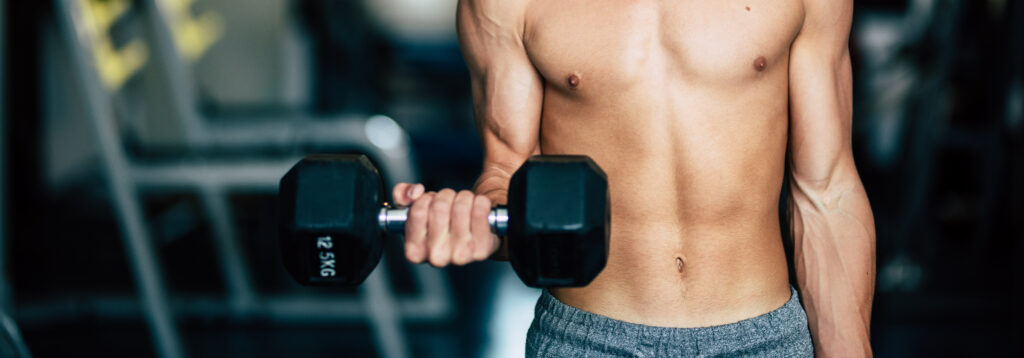
Functional Training vs Traditional Gym Training
Traditional strength training often focuses on isolated muscle groups or aesthetic goals. Functional training takes a broader approach.
How much weight can I lift?
Bisakah tubuh saya bergerak dengan baik, tetap stabil, dan pulih secara efisien?
This shift becomes important in Bali, where daily life often includes walking, climbing, surfing, or extended outdoor activity.
Both training styles have value, but many expats combine traditional strength with functional movement to support longevity.

How Functional Training Sessions Typically Look
While every coach has their own style, most functional training sessions follow a balanced structure:
- Prioritising protein earlier in the day
- Choosing balanced meals instead of only smoothie bowls
- Rotating between cafés and local warungs
- Keeping nutrition consistent rather than perfect
The emphasis is on sustainable progression rather than exhaustion.
Frequently Asked Questions About Starting Training in Bali
Can functional training help with injury prevention?
Many expats begin with structured strength or functional programs that emphasise movement quality and gradual progression.
Is training harder in Bali’s climate?
Many expats choose functional training specifically to improve movement patterns and reduce stress on joints.
Do I still need traditional strength training?
Some clients combine both approaches. Functional training supports mobility and stability, while strength training builds muscle capacity.
Is functional training intense?
Intensity varies. Sessions can be adjusted to focus on mobility, rehab-style movement, or conditioning depending on individual goals.
Final Thoughts
Functional training fits naturally into Bali’s lifestyle. By focusing on mobility, stability, and long-term strength, it supports a more balanced way of staying active — whether you’re surfing, exploring nature, or simply maintaining energy for everyday life.
For many expats living in Cemagi, Seseh, and surrounding areas, functional training becomes less about pushing limits and more about building a body that feels capable, resilient, and ready for whatever Bali brings next.